I will be designing a temple as it feeds well into the development of an individual. Religious buildings are considered places of tranquility and spirituality, but ideals from religion can be seen as confining and very influential on a person. My aim is to create a temple which rather than being closed off and secluded, is more of an environment for the idea of spiritual freedom. My project proposal feeds into this as the concept is based around the idea of how the human beings perceive an environment and how an environment reflects on the human mind ('how our emotions and desires (which can be caused by current events, previous experiences, etc.) can alter the design process of a structure').
The temple is the focus for all aspects of everyday life in the Hindu community - religious, cultural, educational and social.
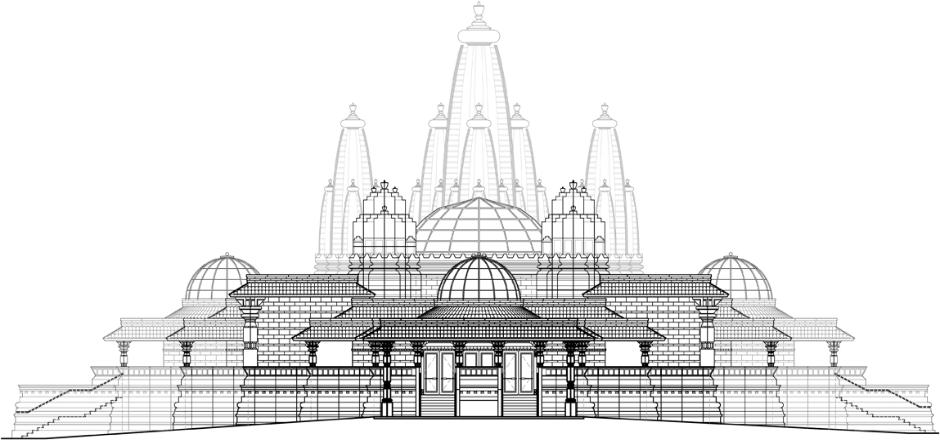
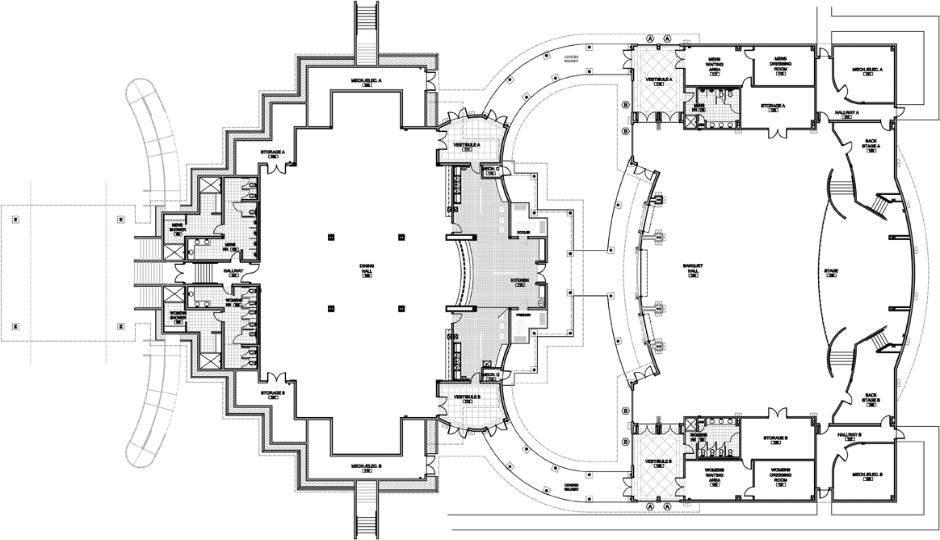
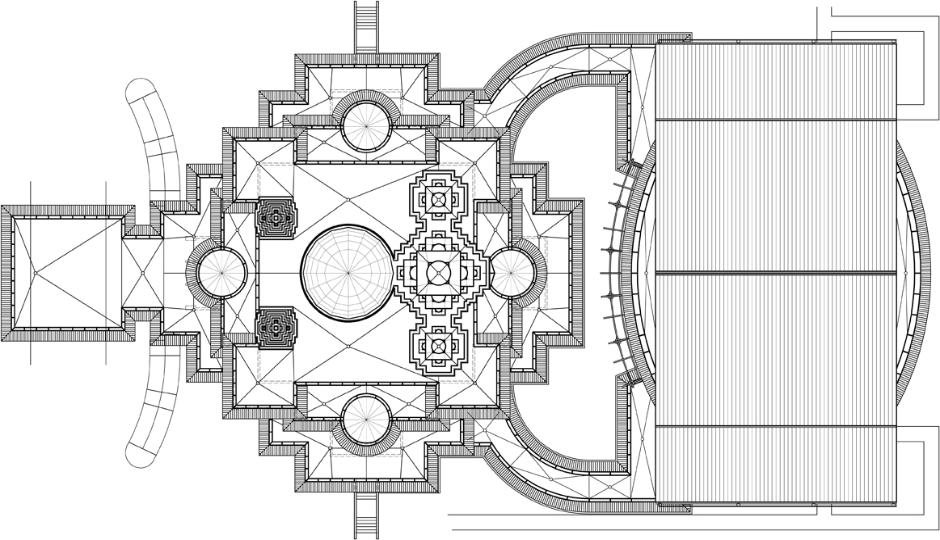
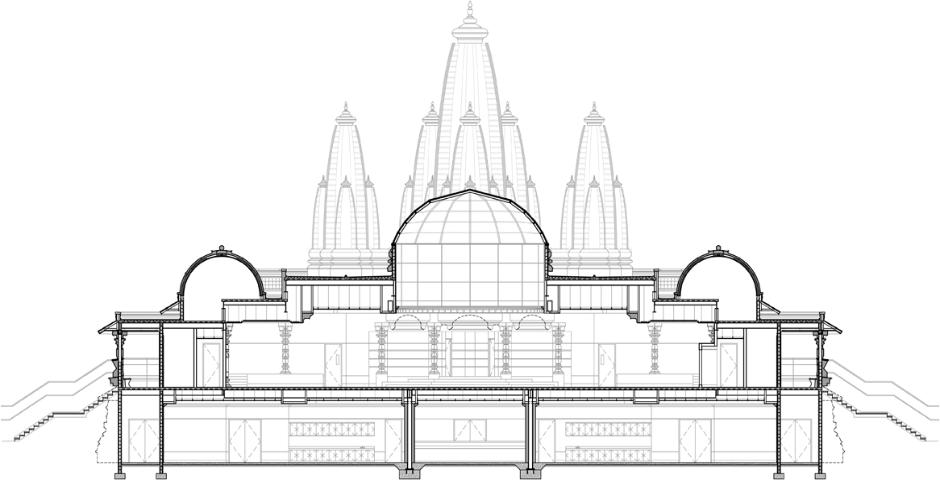
(Hinduism, 2013)
The 6 parts of a Hindu Temple:
1. The Dome and Steeple: The steeple of the dome is called ‘shikhara’ (summit) that represents the mythological ‘Meru’ or the highest mountain peak. The shape of the dome varies from region to region and the steeple is often in the form of the trident of Shiva.
2. The Inner Chamber: The inner chamber of the temple called ‘garbhagriha’ or ‘womb-chamber’ is where the image or idol of the deity (‘murti’) is placed. In most temples, the visitors cannot enter the garbhagriha, and only the temple priests are allowed inside.
3. The Temple Hall: Most large temples have a hall meant for the audience to sit. This is also called the ‘nata-mandira’ (hall for temple-dancing) where, in days of yore, women dancers or ‘devadasis’ used to perform dance rituals. Devotees use the hall to sit, meditate, pray, chant or watch the priests perform the rituals. The hall is usually decorated with paintings of gods and goddesses.
4. The Front Porch: This area of the temples usually has a big metallic bell that hangs from the ceiling. Devotees entering and leaving the porch ring this bell to declare their arrival and departure.
5. The Reservoir: If the temple is not in the vicinity of a natural water body, a reservoir of fresh water is built on the temple premises. The water is used for rituals as well as to keep the temple floor clean or even for a ritual bath before entering the holy abode.
6. The Walkway: Most temples have a walkway around the walls of the inner chamber for circum-ambulation by devotees around the deity as a mark of respect to the temples god or goddess.


(Authors Own, 2014)
Location: Wanstead Park, London


(Google Maps, 2014)
Client: SBLA
(http://lokenathassociation.co.uk/)
(Authors Own, 2014)
Location: Wanstead Park, London
(Google Maps, 2014)
Client: SBLA
(http://lokenathassociation.co.uk/)

No comments:
Post a Comment